
Match daily energy, dwell time and electrical headroom before selecting charger power, location and control strategy.
EV Infrastructure
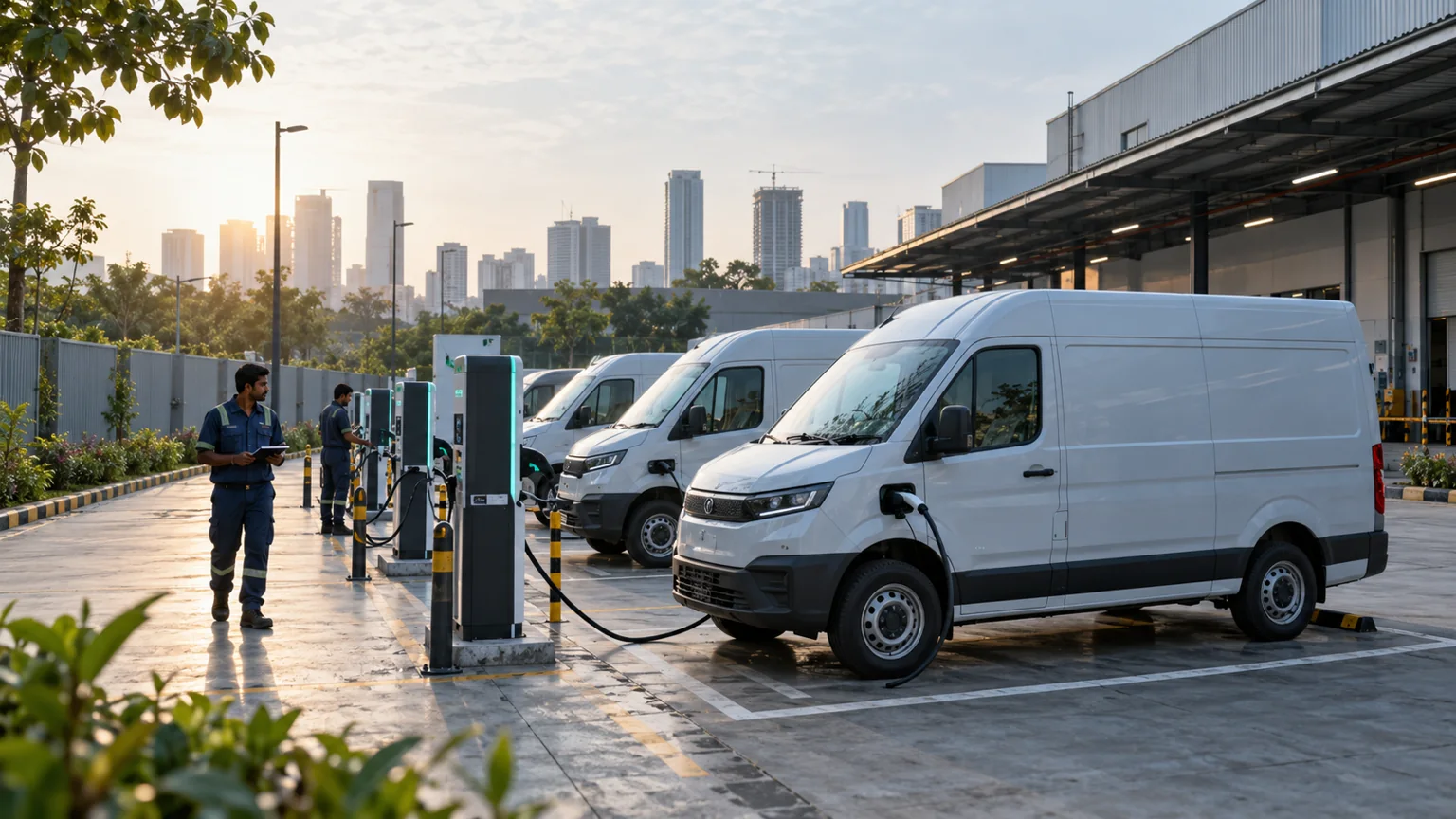
Prepare your depot for reliable daily departures.
Plan charging schedules, charger availability and electrical capacity around fleet duty cycles, route requirements and expansion.
BUSINESS OUTCOMES
What this can help you achieve
- Match overnight or depot dwell time to energy demand.
- Coordinate charger use across multiple vehicles.
- Plan resilience and staged fleet electrification.
TECHNICAL UNDERSTANDING
What the design needs to establish
- Routes, energy use, arrival and departure times
- Simultaneous charging, charger redundancy and site power
- Operational controls, maintenance and phased expansion
Explore your requirement
Related solutions and delivery support
Compare vehicle charging schedules with solar output. Assess storage only when energy shifting, headroom or resilience creates a defined use case.
Start with critical load, outage duration and operating consequences. Select the architecture and battery technology against that duty cycle.
Connect the technical requirement with assessment and project delivery.
Relevant industries
Large roof areas, yard security and vehicle charging.
Daily route energy, charging windows and dependable departures.
Build your technical understanding
Understand why kW and kWh answer different questions.
See what a useful assessment needs to establish.
YOUR NEXT STEP
Turn this requirement into a project brief.
Share your site, operating priorities and available data. Start with an assessment, arrange a survey where needed, then discuss the project scope.