
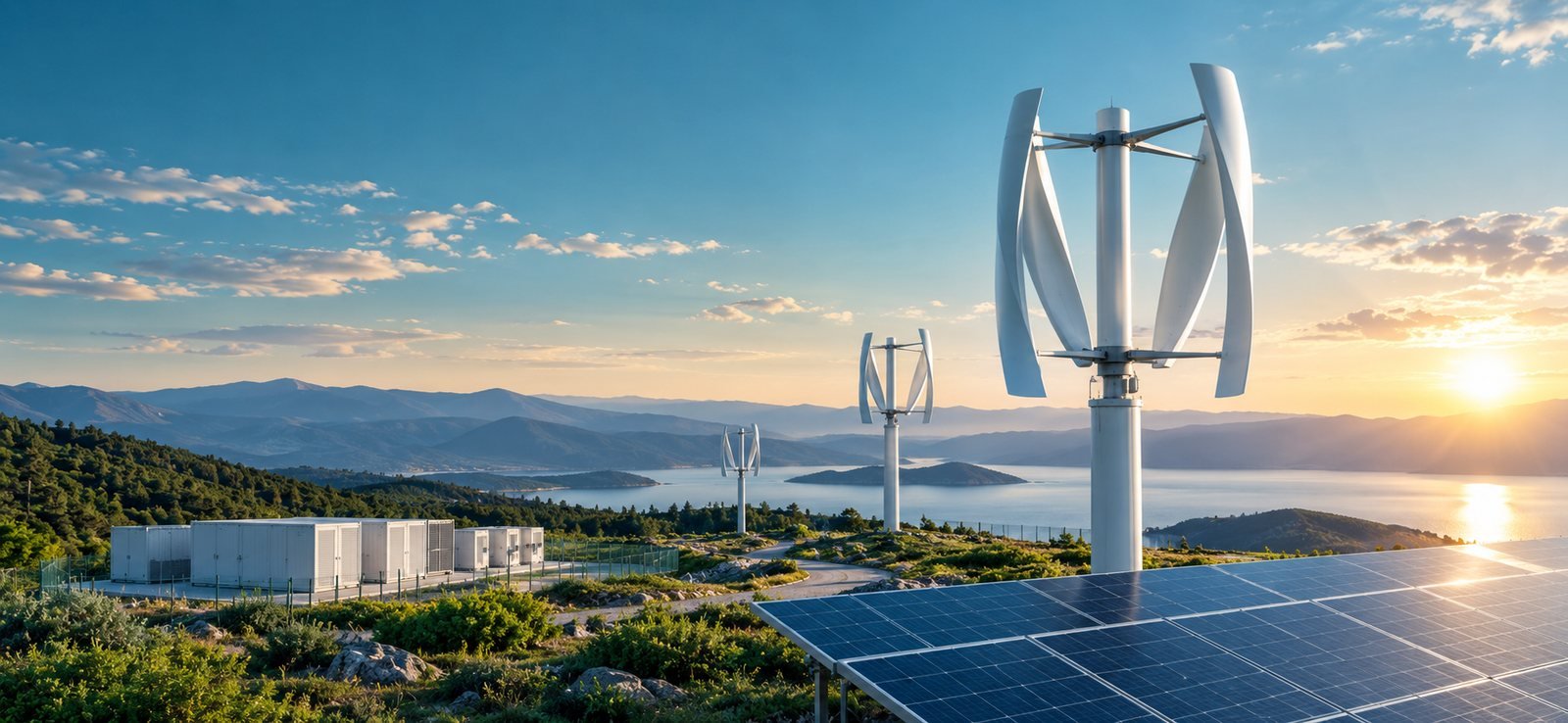
Green Energy · Infrastructure · Integrated Power
Lower energy costs. Protect operations. Plan for what comes next.
Integrated Green Energy & Power Solutions for businesses and infrastructure in Bangladesh. Connect solar, storage, backup and engineering around the outcome your operation needs.
Explore the integrated energy systemTHE CHALLENGS
What does your operation need to improve?
A supply problem can become an operating cost problem. Follow a common sequence, then explore the challenge that matters most at your site.
Supply interruption
Grid instability
An interruption changes the operating conditions. Identify the frequency, duration and quality of supply before selecting a backup system.
Explore this business challengeOperational impact
Production disruption
Stopped lines, process restarts and temperature excursions can matter more than the electricity bill. Define which loads must remain available.
Explore this business challengeBackup response
Diesel use
Generators can restore selected supply, but duty cycle, fuel use, maintenance and coordination determine the operating cost.
Explore this business challengeCommercial effect
OPEX & emissions
Compare fuel, restarts, maintenance and energy use together. Evaluate operational emissions using verified fuel consumption and the applicable emission factors.
Explore this business challengeGRID-DEPENDENT OPERATION
A loss of supply interrupts the process.
Response depends on the available backup and operating procedure.
COORDINATED BACKUP STRATEGY
Priorities and transitions are designed in advance.
Continuity depends on verified transfer performance, reserve and protection settings.
CONNECTED SOLUTIONS
Build the right combination of solutions
CONNECTED CAPABILITY
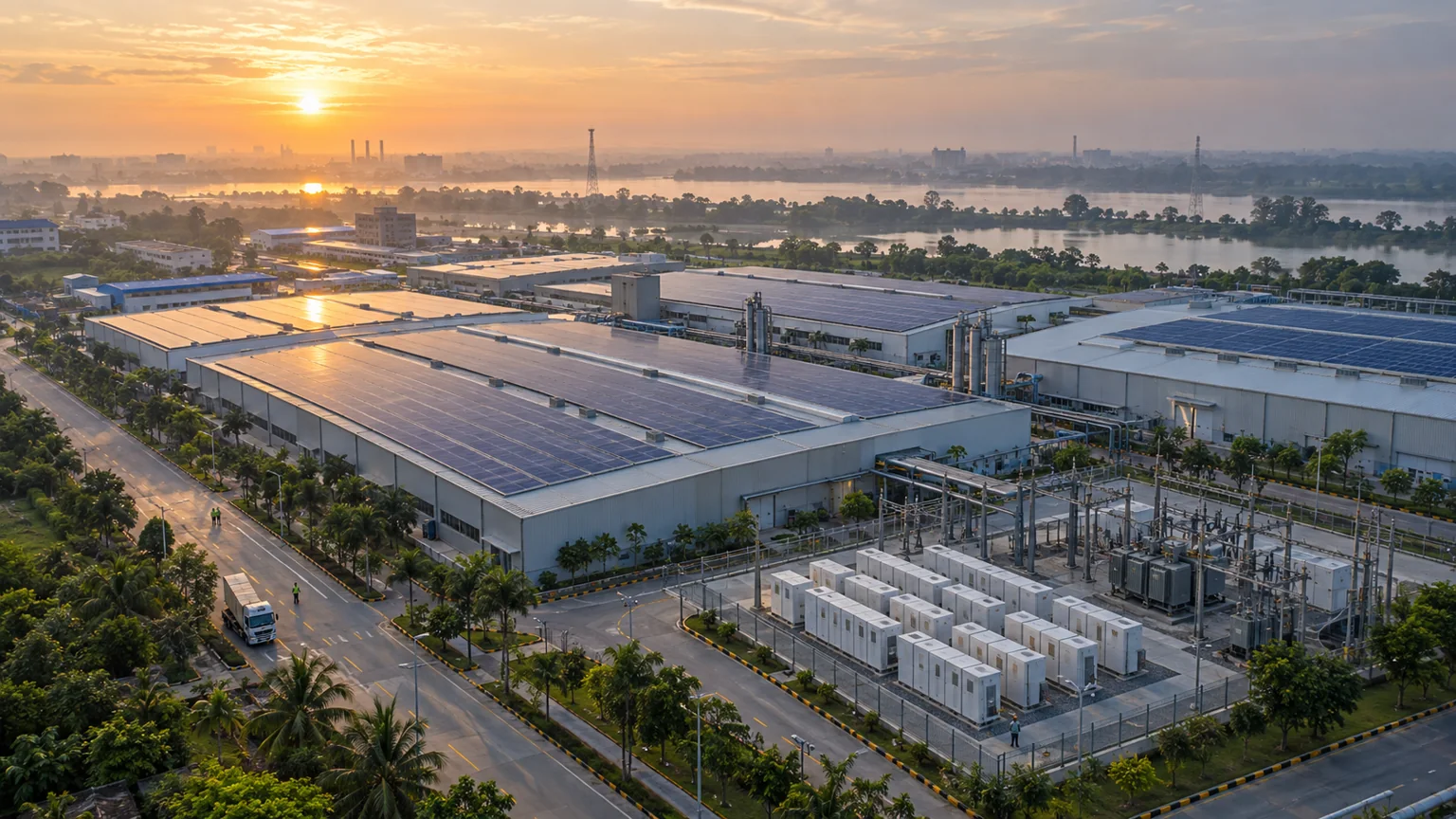
Solar Energy
Evaluate rooftops or land against daytime demand, structural conditions and the connection strategy before committing to capacity.
Explore Solar Energy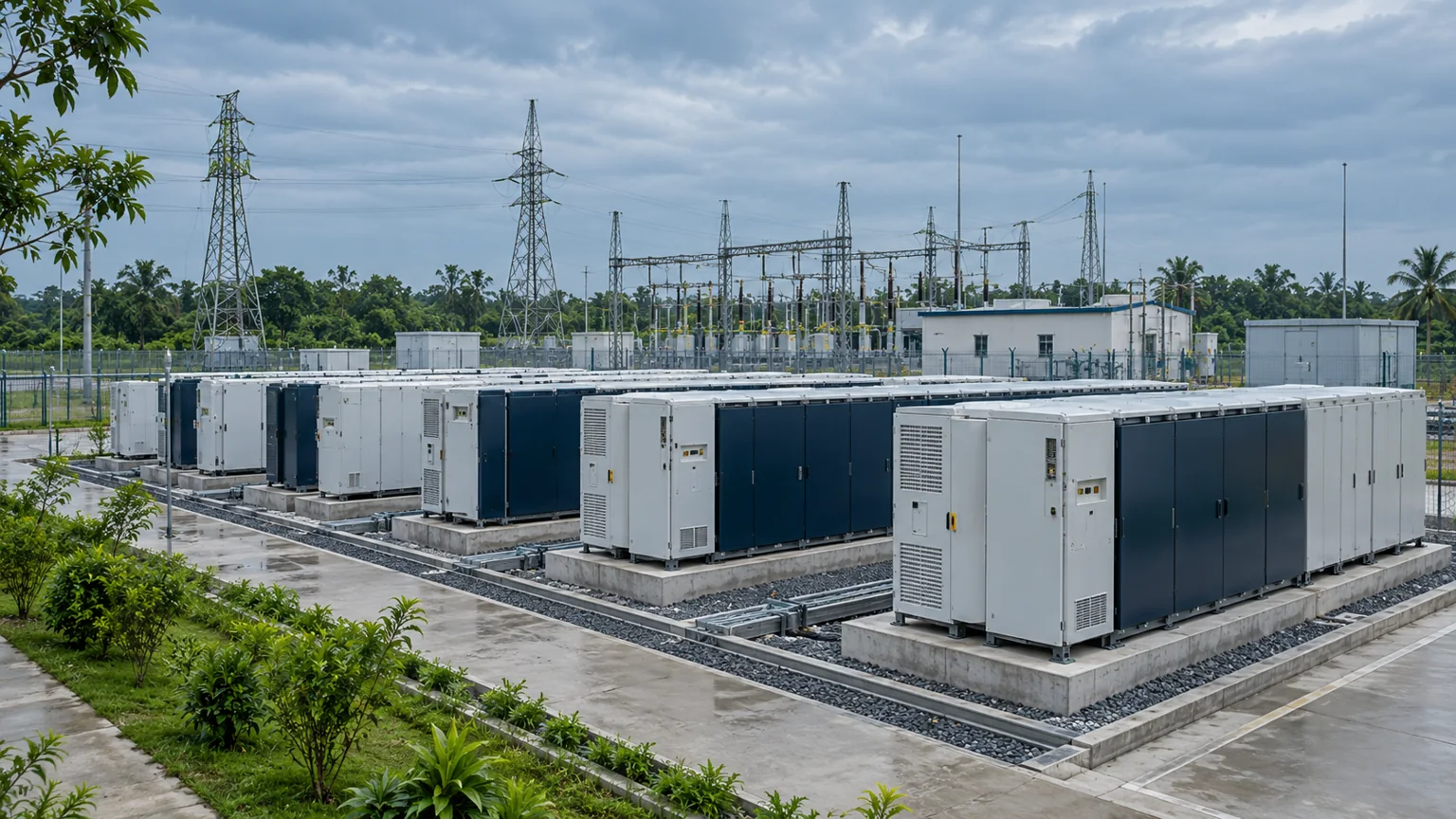
CONNECTED CAPABILITY
Energy Storage / BESS
Start with critical load, outage duration and operating consequences. Select the architecture and battery technology against that duty cycle.
Explore Energy Storage / BESS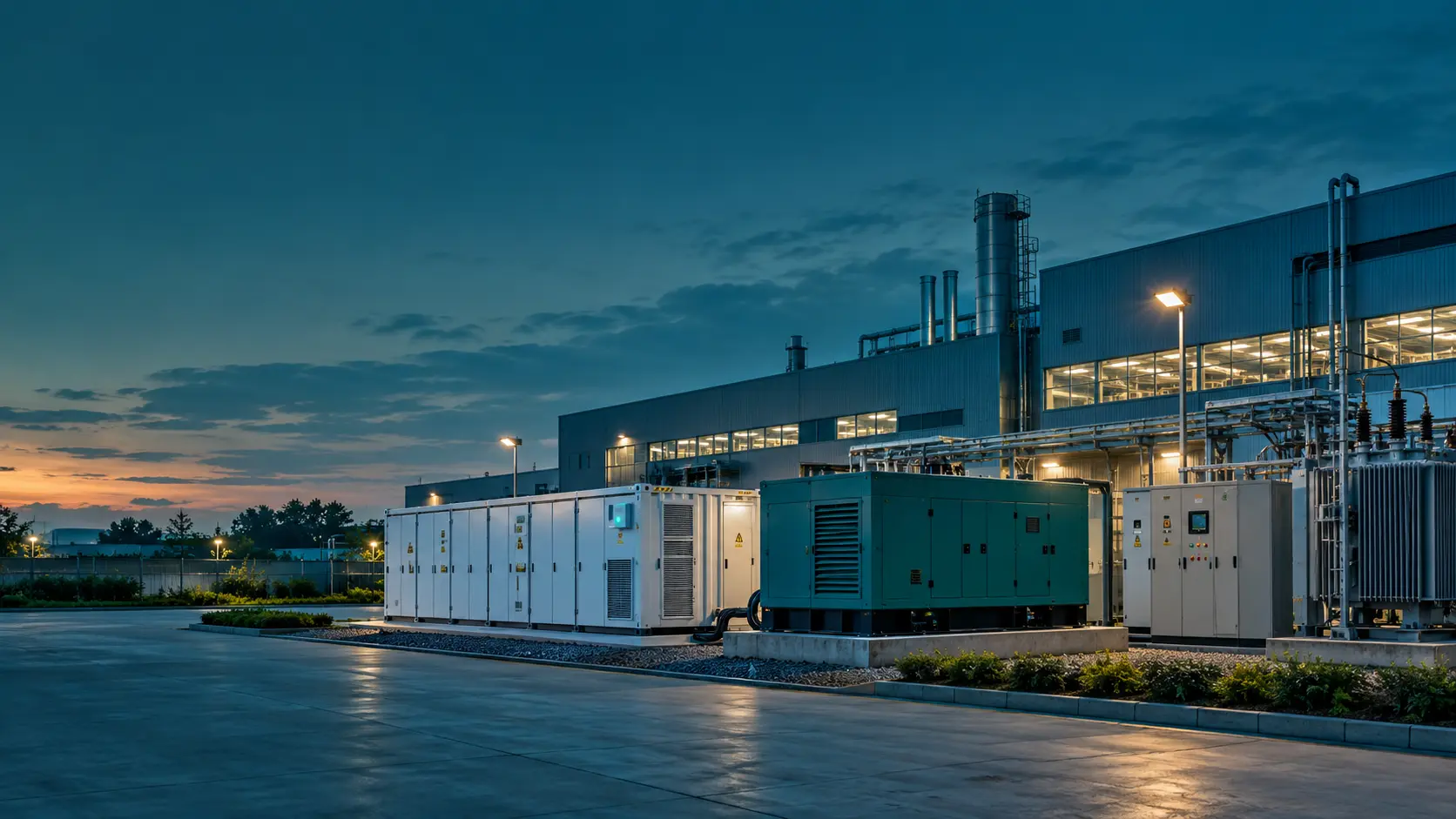
CONNECTED CAPABILITY
Industrial Backup Power
Separate essential processes from deferrable demand, then coordinate storage, generators and controls to meet the required continuity level.
Explore Industrial Backup Power CONNECTED CAPABILITY
Solar + Storage
Model solar output, site demand and battery operation together. Storage adds value when there is a defined energy-shifting or backup requirement.
Explore Solar + Storage
CONNECTED CAPABILITY
EV Charging
Match daily energy, dwell time and electrical headroom before selecting charger power, location and control strategy.
Explore EV Charging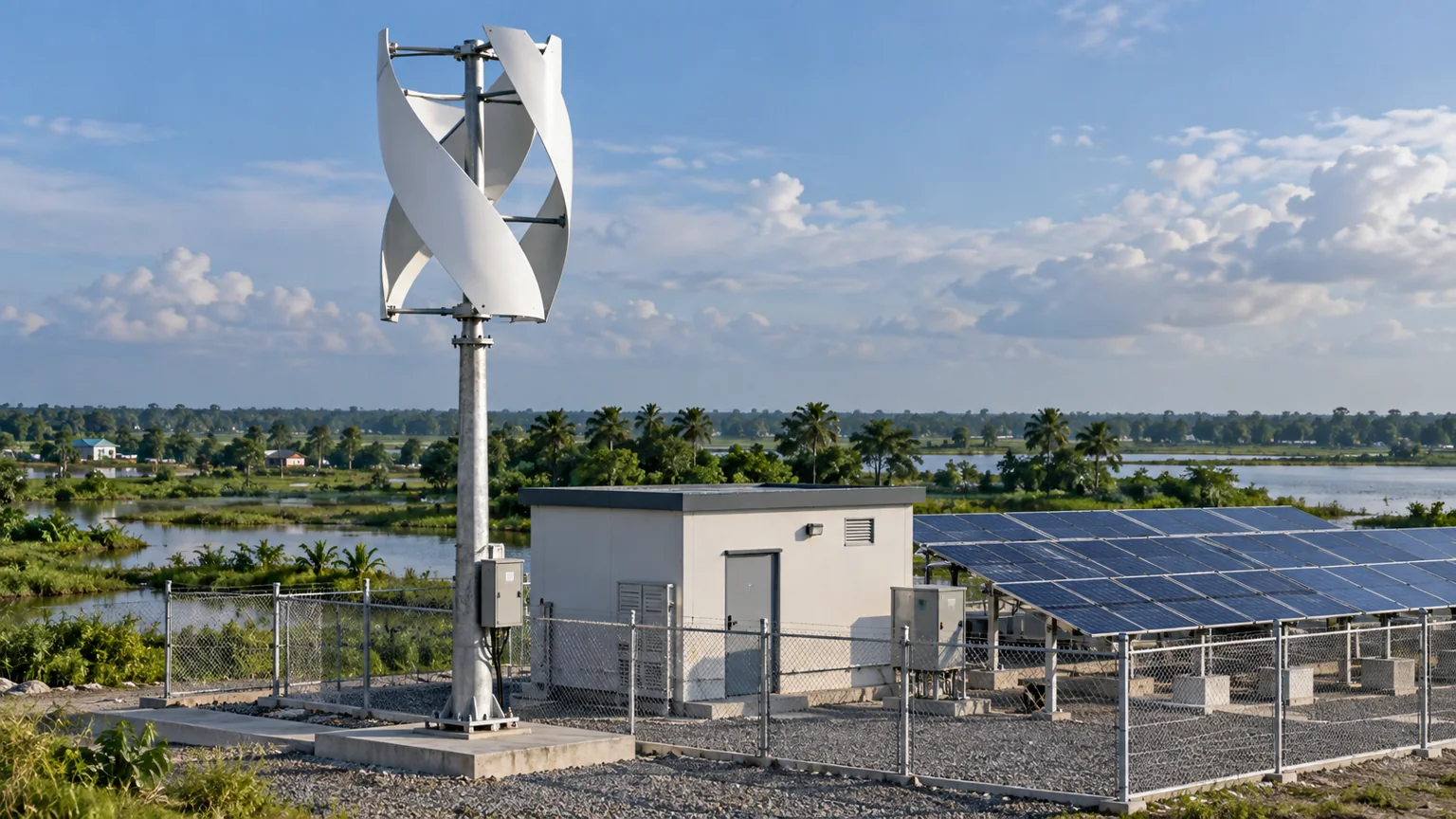
CONNECTED CAPABILITY
Micro Wind Turbine / VAWT
Assess wind at the proposed installation height, turbulence and maintenance access before choosing a vertical-axis wind turbine.
Explore Micro Wind Turbine / VAWT
CONNECTED CAPABILITY
Smart Infrastructure
Engineer outdoor lighting, digital communication and security as complete systems.
Explore Smart Infrastructure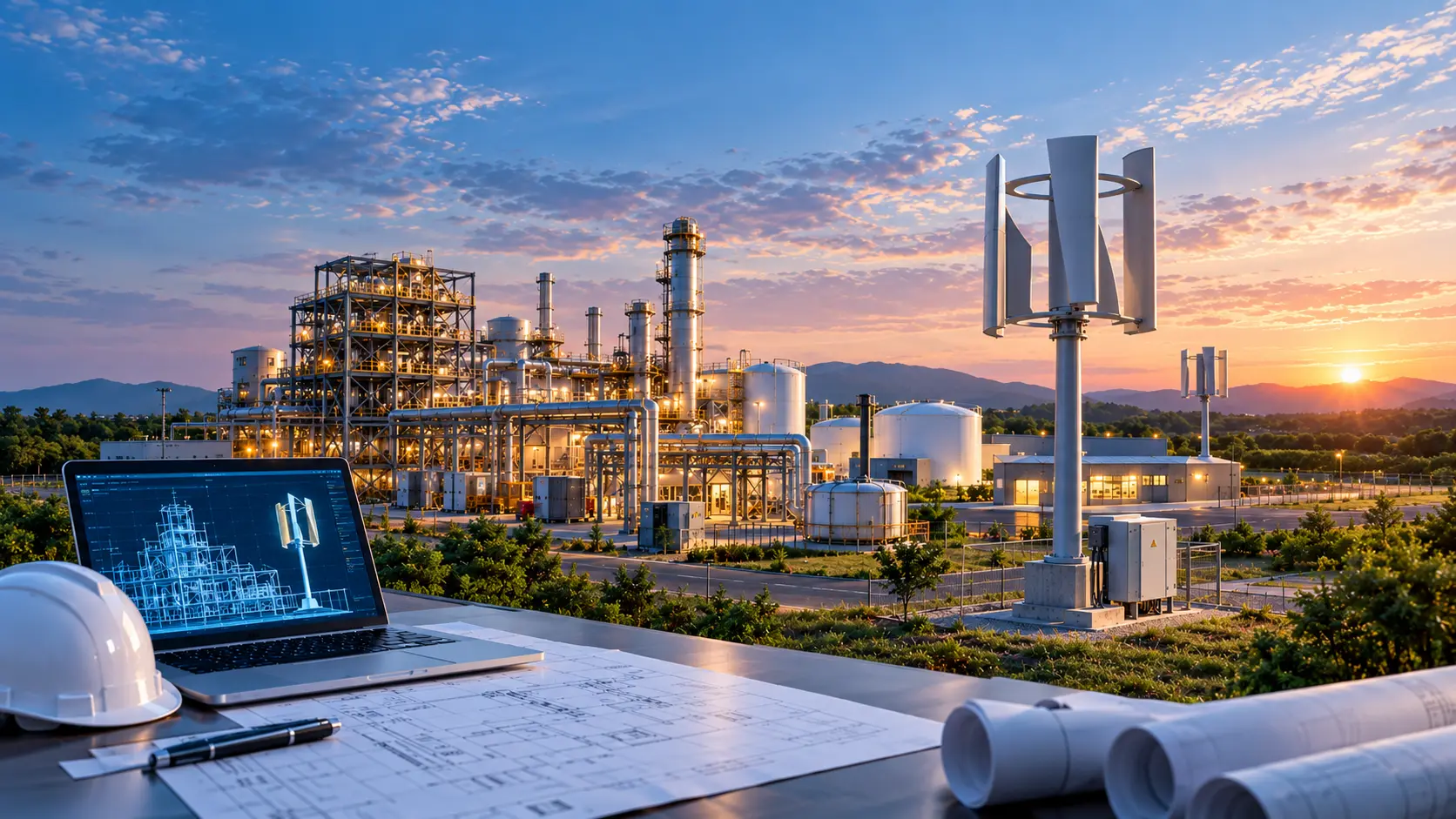
CONNECTED CAPABILITY
EPC
Coordinate engineering, procurement, installation and integration through testing, commissioning and project handover.
Explore EPC
CONNECTED CAPABILITY
Consultancy
Energy & Power Consultancy for facilities and infrastructure in Bangladesh. Start with evidence, compare options and make assumptions visible.
Explore ConsultancyINTEGRATED ENERGY ARCHITECTURE
One facility. Multiple sources. One coordinated strategy.
SELECT A COMPONENT
Grid
Normal supply and connection point. During an outage, a suitably designed islanding scheme must separate the facility from the grid.
OPERATING SCENARIO
Grid and available solar serve facility demand. BESS follows the defined reserve and scheduling strategy; the generator is normally on standby.
Communications and switchgear integration
Define the device interface schedule, metering points, breaker status, permissives, interlocks and synchronization logic. Assess device-supported Modbus TCP/RTU or IEC 61850 interfaces where appropriate; support and gateway compatibility must be confirmed for the selected equipment.
Conceptual architecture, not a construction single-line diagram. Highlighted lines indicate possible energy paths, not measured output. Protection, islanding, earthing, synchronization and transfer performance require project-specific engineering.
BUSINESS VALUE
Focus on the outcomes that matter
Bills + load profile → options → lifecycle comparison
Lower energy costs
Understand where energy is used, then test the interventions that can reduce avoidable spend.
Explore an energy-cost scenarioOutage profile → critical loads → coordinated backup
Reduced diesel dependence
Target the generator duties that storage or renewable energy can realistically replace.
Explore backup optionsCritical process → transfer requirement → acceptance criteria
Improved uptime
Match the system to the interruption tolerance of your most important processes.
Define the continuity requirementSource diversity → reserve strategy → recovery plan
Greater resilience
Plan for short interruptions, long outages and recovery with explicit load priorities.
Explore hybrid powerGeneration profile → self-consumption → storage duty
More useful renewables
Align generation with the demand it can serve and assess storage when surplus has later value.
Explore solar + storageCAPEX + operation + replacement → lifecycle decision
Better lifecycle economics
Compare losses, support, replacements and maintainability alongside initial equipment cost.
Explore consultancyOutcomes are project objectives, not guaranteed performance improvements. The technical and commercial case is assessed for each site.
INDUSTRIES
Built around demanding operating environments

Garments & Textiles
Production interruptions, daytime electricity costs and suitable factory roofs.
Sewing, finishing and compressed-air demand should be assessed alongside shift patterns and roof conditions.
Relevant solution paths
Assess Your FacilityExplore this industry
Manufacturing
Energy-intensive equipment, production continuity and capacity expansion.
Measure demand and starting loads before planning solar, storage or distribution upgrades.
Relevant solution paths
Assess Your FacilityExplore this industry
Pharmaceuticals
Sensitive production, controlled environments and essential utilities.
Map critical processes, HVAC, monitoring and refrigeration against their required continuity and validation needs.
Relevant solution paths
Assess Your FacilityExplore this industry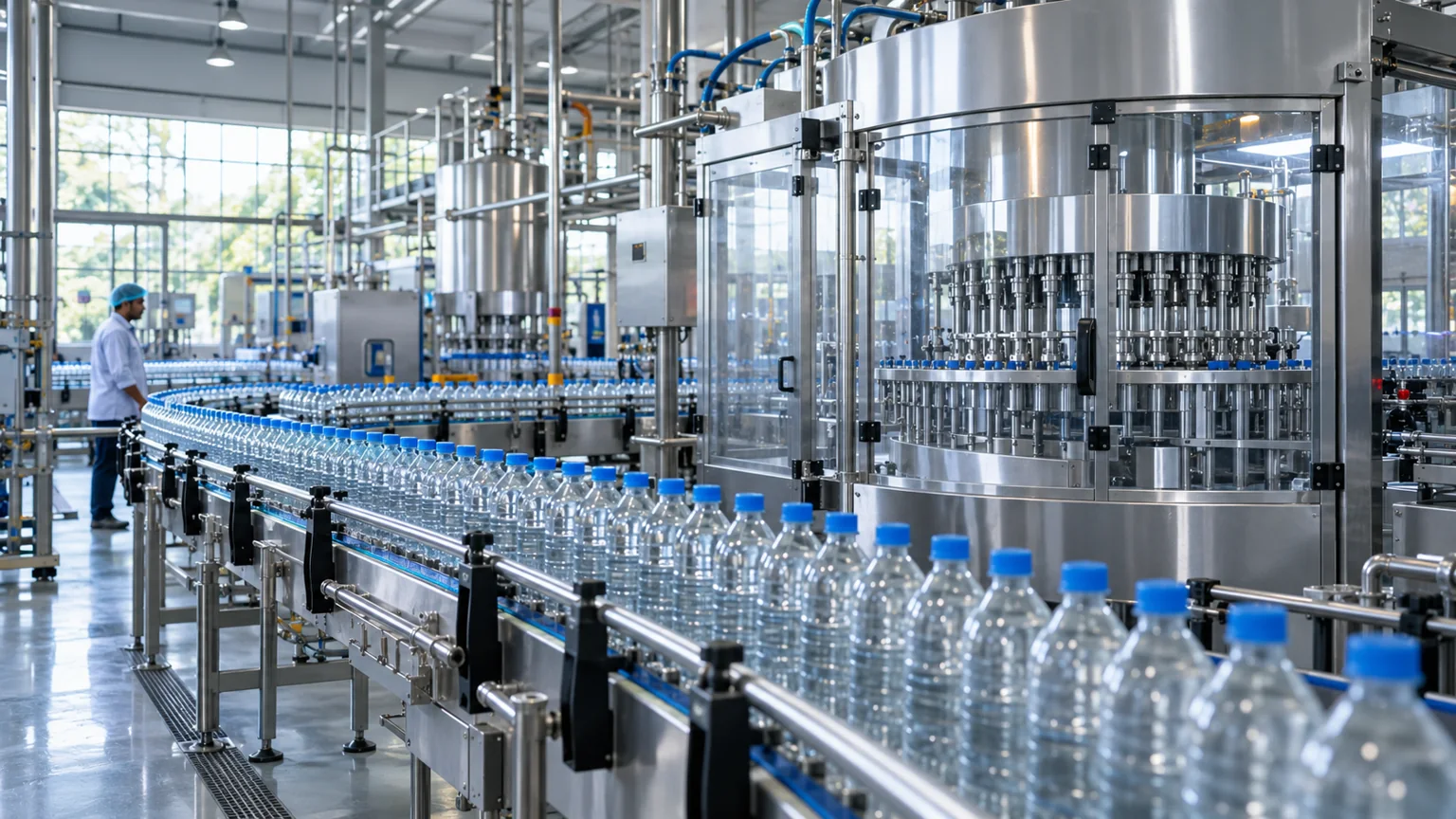
Food & Beverage
Process interruptions, refrigeration and variable production demand.
Prioritize food-temperature control, processing equipment and utilities before sizing backup capacity.
Relevant solution paths
Assess Your FacilityExplore this industry
Cold Storage
Temperature continuity, compressor demand and outage exposure.
Evaluate refrigeration cycling, starting currents and thermal operating limits using facility data.
Relevant solution paths
Assess Your FacilityExplore this industry Industrial Parks
Shared electrical infrastructure, tenant growth and outdoor services.
Coordinate tenant demand with common utilities, roads, security and future capacity.
Relevant solution paths
Assess Your Industrial ParkExplore this industryOUR METHODOLOGY
From operating problem to project delivery
Define the operating problem.
Review bills, interval load logging, outage records, site conditions and commercial priorities.
Discuss assessBuild the system around the duty.
Develop the design basis, solar-yield model, load flow, protection interfaces and controls. Select modelling tools to match the study scope.
Discuss engineerTest the assumptions before commitment.
Review yield simulations, harmonic and power-quality requirements, structural loads, lifecycle sensitivities and acceptance criteria.
Discuss validateCoordinate interfaces and commissioning.
Align procurement, installation, protection testing, SCADA or EMS interface checks and handover with the agreed project scope.
Discuss deliverReview performance against the operating plan.
Use measured performance and operating feedback to assess scheduling and system settings.
Discuss optimizePlan for operation beyond handover.
Define documentation, training, maintenance responsibilities and support arrangements in the project scope.
Discuss supportINTERACTIVE ASSESSMENT
Find your next technical step
Energy Solution Finder
ENGINEERING SCREENING
Explore a first-pass project estimate
Enter site data and your own commercial assumptions. Outputs update as inputs become valid; use Calculate Estimate for a deliberate refresh.
All calculations are indicative baseline estimates subject to detailed on-site power quality logging and engineering validation.
Industrial solar feasibility
Screen rooftop capacity, annual self-consumption value and indicative installed cost. No export value is assumed.
Complete the required assumptions to see a screening estimate.
BESS sizing + diesel displacement
Estimate battery energy, generator fuel displaced, recharge cost and operational emissions for the stated events.
Complete the required assumptions to see a screening estimate.
These screens do not include financing, tax, battery or inverter replacements, degradation over time, export revenue, or a bankable forecast. Operational savings and emissions are estimates based only on the assumptions entered. Simple payback is first-year net operating savings against installed cost, held level; it is distinct from a full cash-flow model such as SAM discounted payback (see SAM financial models). Lifecycle value is shown only when period and discount assumptions are supplied; no LCOE is calculated.
ENGINEERING-LED
Why EXPONENT NRG
TECHNICAL DISCIPLINE
A clear design basis. Visible assumptions. Defined acceptance.
- Requirements before equipmentDefine loads, outcomes and constraints first.
- Traceable evaluationCompare architecture and lifecycle assumptions.
- Integration and acceptanceAgree interfaces, testing and handover requirements.
- Lifecycle planningConsider operation, maintainability and future growth.
QUALITY & LIFECYCLE
Technical rigor, defined in the project scope.
| Design gate | Evidence to establish | Decision it supports |
|---|---|---|
| Equipment qualification | Datasheets, test reports, warranty limits and service support | Suitability for the required duty and environment |
| Structural engineering | Roof capacity, mounting, wind loading and foundation design | A buildable installation with defined structural responsibilities |
| BESS safety integration | Detection, isolation, thermal management, emergency response and any required suppression interfaces | Site-specific risk assessment and authority review |
| Control and acceptance | Interlocks, synchronization, protection, communications and operating-mode tests | Documented handover against agreed criteria |
| Lifecycle support | Telemetry scope, monitoring hours, escalation ownership, maintenance and contractual response targets | Support arrangements appropriate to the facility |
Applicable standards, approvals, monitoring coverage, service levels and performance commitments are established for each project. They are not implied by the illustrative architecture.
SMART INFRASTRUCTURE
Infrastructure that works beyond the building.
Solar Street Lights
Illumination first
Pole spacing, lighting distribution, operating hours and battery reserve are specified together.
Explore the systemHybrid Lighting + LCD
Lighting and communication
Assess wind resource, display brightness, connectivity and the total energy budget before choosing a hybrid pole.
Explore the systemSolar-Powered CCTV
Security where it is needed
Match coverage, recording, data connectivity and camera power to the available solar resource and storage.
Explore the systemConfirm lumen output, photometry, mounting height and road-level illumination together.
Specify operating hours, dimming, low-sun reserve, battery chemistry and temperature limits.
Define LCD duty, CCTV recording, telemetry, communications and maintenance access.
YOUR NEXT STEP
Bring your energy challenge into focus.
Start with your operation, your site and the outcome you need. We’ll identify the right next technical step.
Request an On-Site Energy AssessmentDownload Technical Portfolio (PDF)